- 2
- 1
- 1
- 4
- 6
- 6
- 1
- 2
- 5
- 1
- 10
- 8
- 4
- 1
- 1
- 2
- 1
- 2
- 1
- 2
- 2
- 3
- 1
- 1
- 1
- 1
- 1
- 4
- 1
- 1
- 1
- 3
- 1
- 1
- 1
- 4
- 1
- 6
- 2
- 2
- 1
- 2
- 2
- 4
- 1
- 1
- 1
- 1
- 1
- 3
- 4
- 1
- 1
- 3
- 2

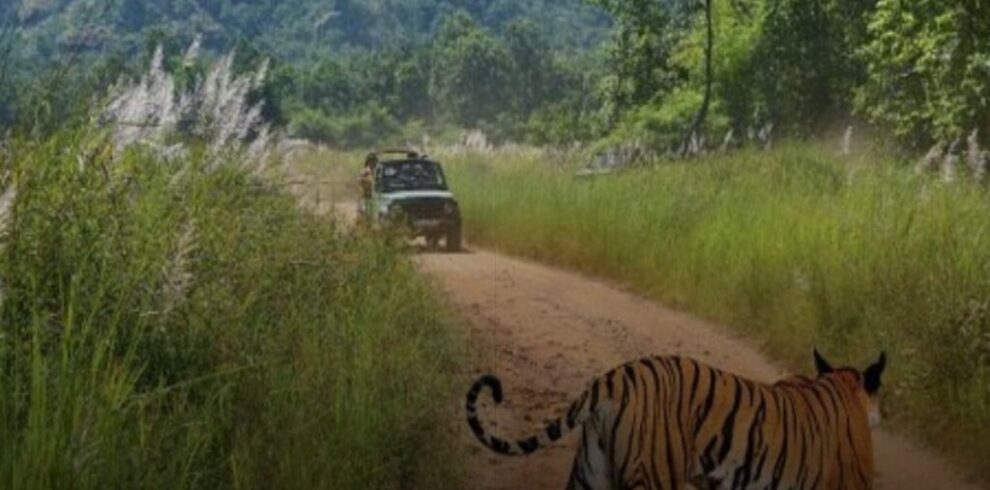
North India is home to diverse ecosystems — from Himalayan foothills and dense deciduous forests to dry scrublands and wetlands.
Top reasons to book a wildlife tour in North India:
India’s oldest national park, Corbett is famed for its tiger population and picturesque landscapes.
One of the best places to spot tigers in the wild, with dramatic ruins of a fort inside the park.
A UNESCO World Heritage Site, this wetland sanctuary is a haven for birdwatchers.
A lesser-known gem along the Indo-Nepal border, home to endangered species and lush forests.
Located near Rishikesh and Haridwar, this park features Shivalik forests and river valleys.
| Season | Months | What to Expect |
|---|---|---|
| Winter | Oct – Mar | Pleasant weather, best for birds and mammals |
| Summer | Apr – June | Ideal for tiger sightings near water bodies |
| Monsoon | July – Sept | Parks mostly closed (breeding season) |
Tip: Book safaris well in advance — especially for Corbett and Ranthambhore’s core zones.
A wildlife tour in North India is not just about spotting tigers — it’s about connecting with nature, understanding fragile ecosystems, and experiencing India’s natural diversity in its rawest form.
Whether you’re driving through Corbett’s misty jungles, photographing birds in Bharatpur, or tracking leopards in Rajaji, the thrill of being in the wild stays with you long after you return home.
Plan your itinerary well, travel responsibly, and let the forests tell you their timeless stories.
For those seeking an unforgettable nature escape, our expertly curated Wildlife tour in North India offers the perfect blend of adventure, comfort, and rich biodiversity.
North India offers a rare mix of tiger reserves, bird sanctuaries, riverine forests, and Himalayan foothills within relatively short travel distances. This allows travelers to combine multiple ecosystems—jungles, wetlands, and grasslands—in a single wildlife itinerary.
Jim Corbett National Park and Ranthambhore National Park are among the best parks for tiger sightings. Summer months often improve visibility as animals gather near water sources, especially in core safari zones.
Yes. Many wildlife tours are designed to be family-friendly, with shorter safaris, educational nature walks, comfortable jungle resorts, and experienced naturalists who explain animal behavior in an engaging way suitable for children.
The ideal season is October to March for pleasant weather and birdwatching. April to June is excellent for tiger sightings due to increased animal movement near water bodies. Most parks remain closed during the monsoon season for conservation purposes.
Wildlife sightings are unpredictable, so multiple safaris across different zones increase chances. A minimum of 2–3 jeep safaris per park is recommended for a meaningful wildlife experience, especially for big cats and rare species.
No wildlife sighting can be guaranteed, as animals move freely in their natural habitat. However, traveling with experienced naturalists, early-morning safaris, and core zone access significantly improves the likelihood of sightings.
Accommodation ranges from comfortable jungle lodges and eco-resorts to luxury wildlife camps. Most stays are located close to park entrances to reduce travel time and allow early safari access.
Yes, photography is allowed in most parks. However, tripods and drones are strictly prohibited. Photographer-focused tours may offer private gypsies and guides familiar with animal movement and light conditions.