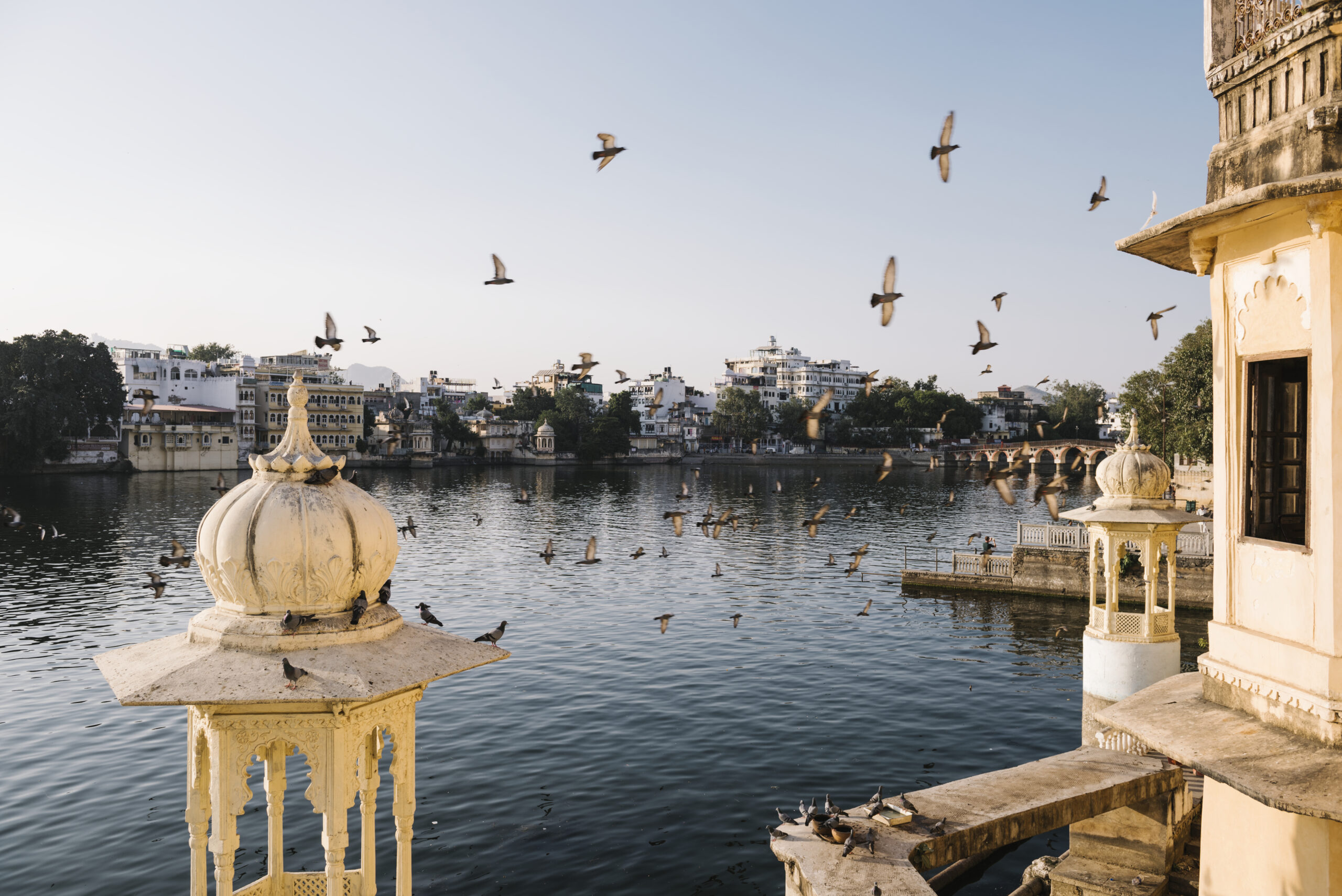
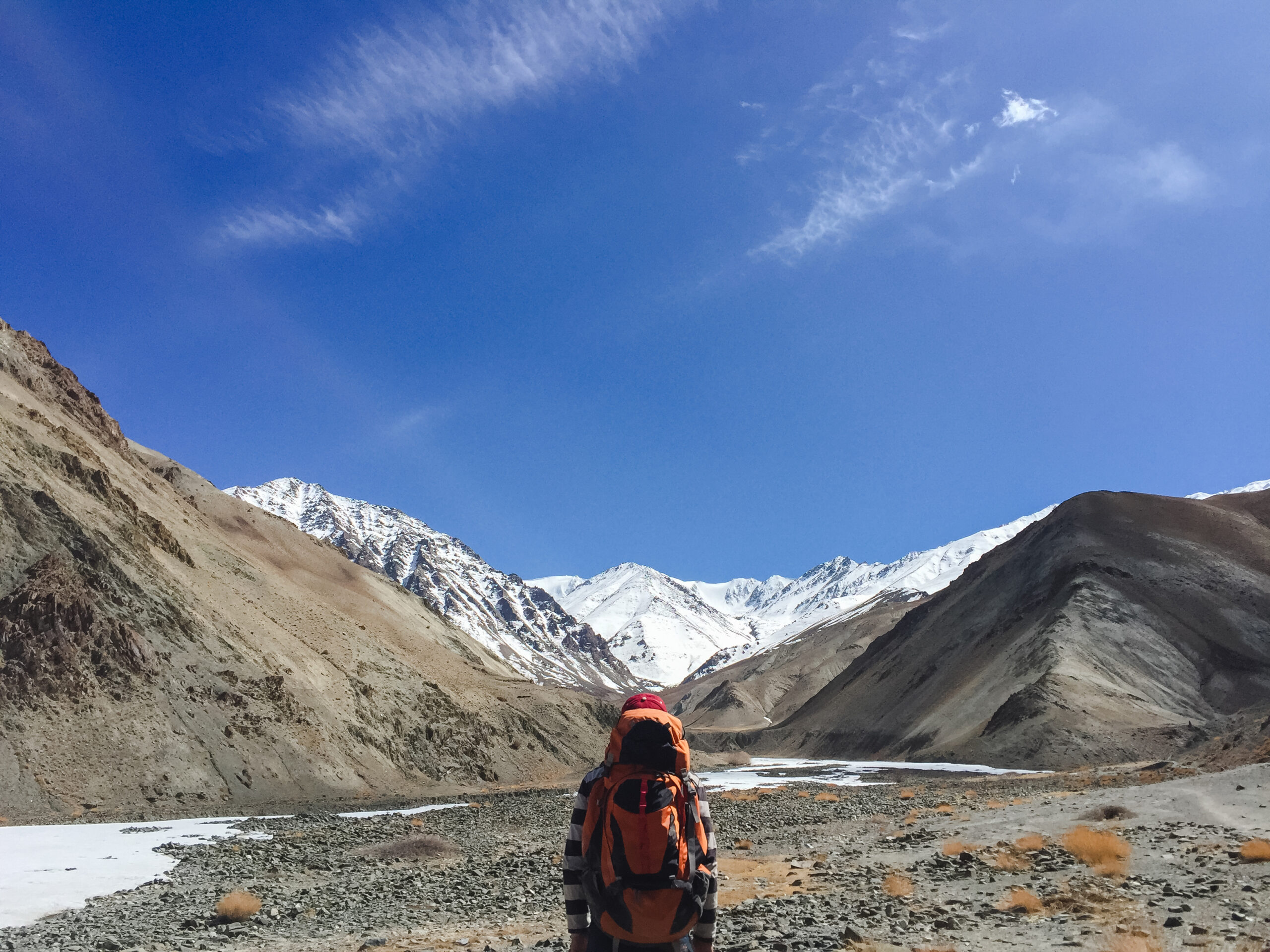
After explore Delhi-Chandigarh-Kullu Valley & Manali. I’m heading to one of my favourite places in India: Spiti Valley in the northern part of India (Himachal Pradesh).
This place was an extraordinary experience, both in terms of the landscapes and in terms of reflection on travel, our place as tourists, and the differences between Indian and Western thought. It was also an opportunity to find ourselves in the heart of almost untouched nature and to learn more about Tibetan spirituality. In short, Spiti Valley is magical. Let’s go?
This Spiti Valley road trip was experienced with Delighted Journey, as part of their immersive Lahaul–Spiti Valley Himalayan trip, taking us deep into one of the most remote regions of northern India.
Where is Spiti Valley?
It’s located in Himachal Pradesh, a state in northern India, where, as its name suggests, the Himalayan range is found. Located 180 km and a 13-hour drive from Manali, it’s not an easily accessible area.
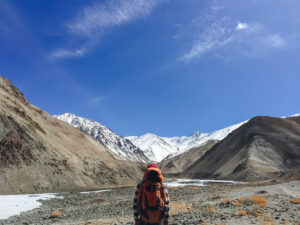
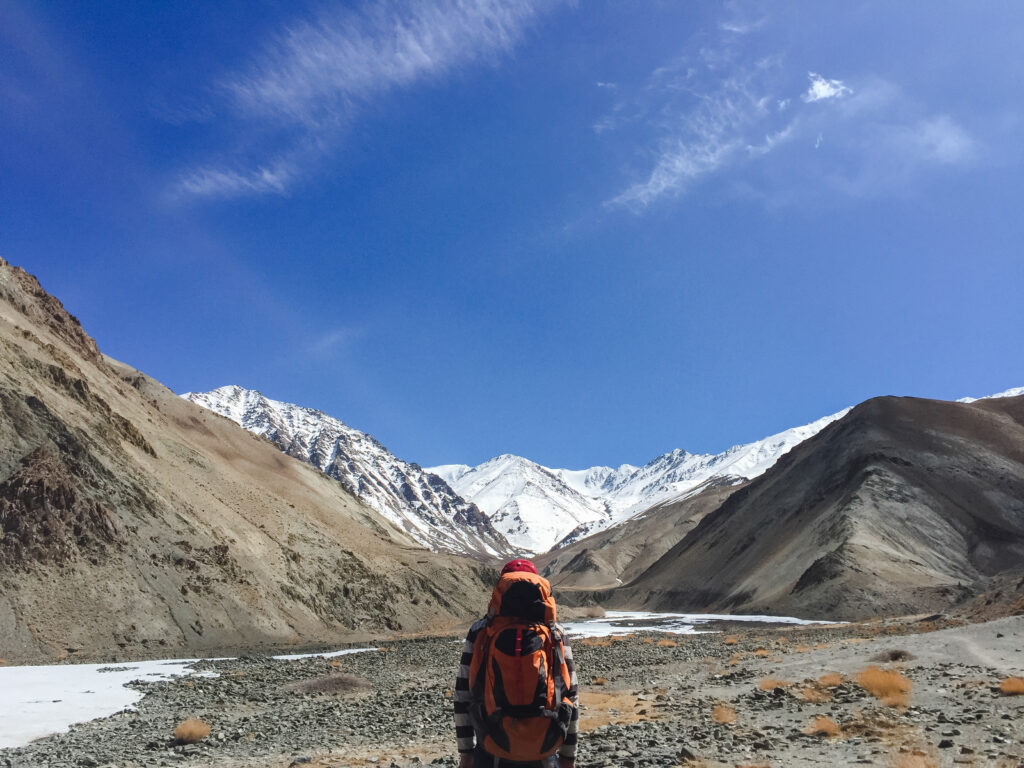
The road to get there is bumpy, if you can even call it a road. It’s also quite dangerous, as it’s unpaved, and you come very close to the edge of the void in many places. But that’s the price you pay to experience this raw nature, where arid mountains with snow-capped peaks are crossed by turquoise rivers and vast plains.
This excursion started from Manali. We make a group of 5 young travellers & start our adventure.
We were there at the end of the tourist season, in October. This allowed us to avoid the crowds. The downside is that it’s starting to get quite cold and there are fewer accommodation options as establishments are gradually closing their doors. However, we had no trouble finding accommodation thanks to our driver, who knew the locals and the best deals.
Getting there:
To get there, you need a special permit, which will be arranged directly with the driver or the agency you choose. Our driver took care of everything, and it took no more than 15 minutes.
You’ll then have to go through passport and permit checks at the Spiti Valley border. In our case, everything went smoothly. The border is also the last place where you’ll have signal coverage before returning to civilization. A sign encourages you to contact your loved ones one last time before the signal goes out.
There are also plenty of restaurants here. I recommend having a good meal there, because for the next 10 hours you’ll have no choice but to eat Maggi noodles and omelets/toast in the camps.
Moreover, these camps are part of the magic of the journey. They make the trip even more exceptional. When was the last time you were in the middle of the mountains or on the edge of a bridge decorated with Tibetan flags, with no contact with the outside world, enjoying a chai and an omelet in a perfectly equipped tent, trying to interact with the locals, wrapped up in your warm clothes? Personally, I’d never experienced that before. I was amazed by every moment of this trip, despite the appalling state of the road.
To give you a small example of the prices, breakfast at the border cost us 250 rupees per person. Lunch at Chacha Chachi (which means Uncle/Aunt in Hindi, a local institution!) costs around 200 rupees.
Why did I enjoy this experience so much?
Simply because it had been a while since I’d been so far from civilization as we know it. Driving on unpaved roads for 14 hours, without passing more than a small camp where I ate noodles and drank tea, was quite a change.
For now, the Spiti Valley is particularly isolated, which makes the experience authentic. In a few years, locals seem to be saying this will change. The impact of tourism has already been felt for some time. However, it is still possible to be alone in the mountains, to take a dip in the freezing water or to hike without anyone around you.
If I had only one thing to change about this trip, it would be the duration. 5 days were too short, considering that there are almost 2 days of travel. I recommend you plan at least 7 days to take it easier, do some hiking, and discover other places.
What to do in Spiti Valley?
Chandra Taal Lake
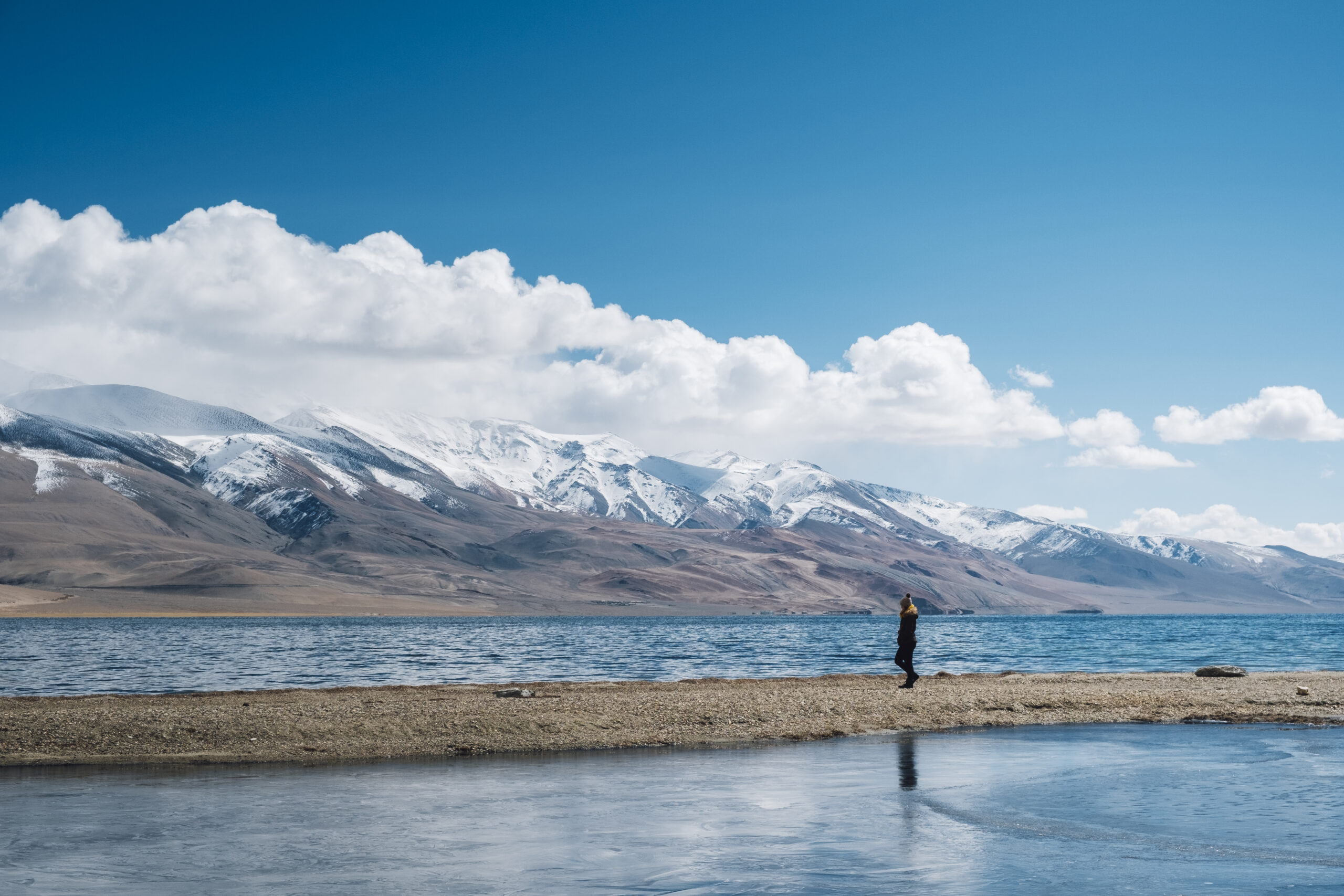
First stop on this bumpy and jolting trail: Chandra Taal Lake.
We spent the night at the camp of the same name, which was cool but quite comfortable. Indeed, despite the end of the season and the few tents available, we still found two to accommodate us. The experience couldn’t be more extraordinary, because wherever you go around the camp, the view is sublime. And once evening falls, it’s time to all join together to share a good meal in the warmth.
By the way, when I say tent, don’t think of a “Quechua 2-second tent.” These are solid tents, large enough to comfortably accommodate three people. There’s even a small room with a toilet! It’s actually quite funny to arrive at the end of the season, because the tents are no longer there, but dozens of toilets are lined up in the middle of nowhere!
Early in the morning, we wake up with the sun to drive up (by car!) to the lake, where Olympian calm reigns. We were alone, facing the tranquil waters of Lake Chandra Taal, surrounded by snow-capped mountains… I won’t hide from you that the emotion was strong and the feeling of being tiny was very present.
In my opinion, there’s no point getting up at dawn, because the mountains hide the sunrise over the lake anyway. However, you’ll have the joy of being alone. If I had to do it all over again, I would have simply liked to stay an extra hour to enjoy the beauty of the place and perhaps walk around the lake.
Shortly after the lake, when we get back on the road, we reach the Kunzum Pass. Stopping there to admire the view or stroll among the prayer flags is worth the detour.
Kaza
Kaza is the capital of Spiti. It’s more or less the capital of the Valley. It’s the ideal place to spend a few days before exploring the surrounding area.
The town itself is nothing extraordinary, except that it’s surrounded by majestic nature.
To appreciate this, I recommend visiting the Sakya Tangyud Monastery and climbing up to Hanuman Mandir. The view is superb, especially at sunset.
Where to stay in Kaza?
We hadn’t planned anything, so we just went with what life offered us without thinking. That’s how we ended up in a rather rustic family-run guesthouse, which I don’t particularly recommend. The experience was nice because we were with friends and it was very authentic. However, I think you’ll find better accommodations elsewhere.
I have two recommendations for you. The first is Zostel, because it’s a chain that has never disappointed me so far, although some establishments are better than others. You’ll find dormitories and private rooms, and you’ll be able to meet other travelers easily. Remember to book in advance if you’re planning to stay there.
The other is the Deyzor Hotel Restaurant, which is so far one of the best restaurants I’ve tried in India. The owner, Karan, is a passionate traveler who prioritizes ethics and authenticity over profit. His restaurant reflects his past experiences around the world, both in terms of the decor and the diverse flavors of his dishes. We ate here throughout our stay, trying a new option on the menu every day, and we were never disappointed.
Likewise, remember to book in advance because this place is a little gem, and rooms go fast.
Zostel Spiti Valley: Leo, Village Rd, Kaza, Kaza Khas, Himachal Pradesh 172114
Hotel & Restaurant Deyzor: behind BSNL Office, Kaza, Kaza Khas, Himachal Pradesh 172114
Tabo
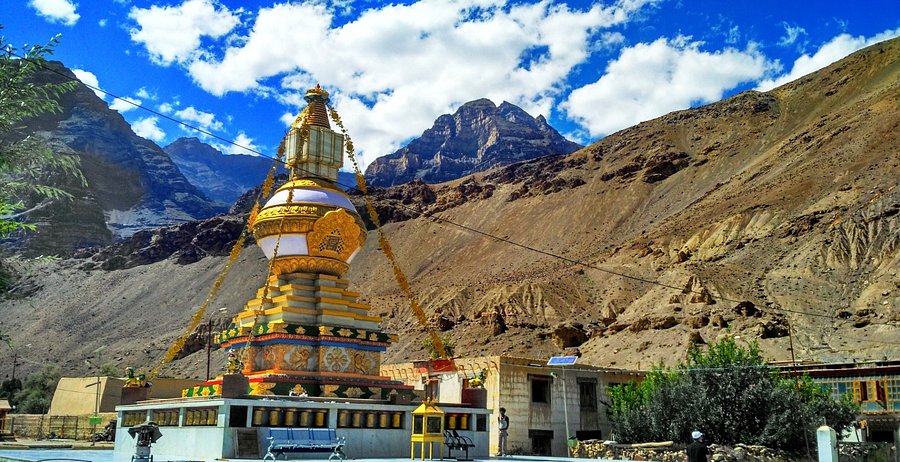
The next day, we headed to Tabo Monastery, renowned as a must-see in the region.
The road to get there is, of course, magnificent and… chaotic. It once again allowed us to discover almost lunar landscapes, crisscrossed by a strip of turquoise water. We made several stops for a wine cellar, to cross a bridge, to get closer to the water… and each stop had its own magical quality.
Once we arrived in Tabo, I admit I was a little disappointed. We were in a small town, and the monastery was right in the middle of it. It wasn’t at all how I had imagined it. The visit was pleasant, but I didn’t have lasting memories of it.
In my opinion, Tabo’s true treasure is its series of meditation caves nestled in the mountains. After a short hike from the town center, you’ll find yourself in caves built into the rock, offering unparalleled views of the valley. We were there at the end of the day, and the light was simply extraordinary. If there was only one thing to do in Tabo, this would be it.
On the road to the world’s highest post office
The next day, a big day awaits us. We start with a loop in the heights of Kaza, where our first stop is the world’s highest post office. Indeed, from Hikkim Post Office, you can send a postcard to France for only 50 rupees. You can also buy postcards directly on site.
Next, not far from there, is the Komic Monastery. Colorful and located in the highest village in the world, connected by a motorable road, it’s a short but unmissable stop.
The loop continues, and we then arrive at the Langza Buddha. This immense statue overlooks the valley. The view is beautiful, but the place didn’t captivate me. Don’t spend too much time there; there are other, more beautiful things to see, in my opinion.
Key Monastery
This place is one of my favorites in India. Key Monastery is lost in the middle of a valley. Located high in the mountains, it rises several stories high.
I think you could easily spend half a day in the monastery and its surroundings, especially to find the best vantage point to observe it from afar.
Once inside the monastery, I was captivated by the beauty of the place and the serenity it exudes. Each room offers a different atmosphere, yet always imbued with reverence. In one of them, we also receive prasad, a sweet and sacred snack offered by the monks, accompanied by tea.
To my great regret, we couldn’t stay there for more than an hour or two, as it was time to hit the road again.
Chicham Bridge
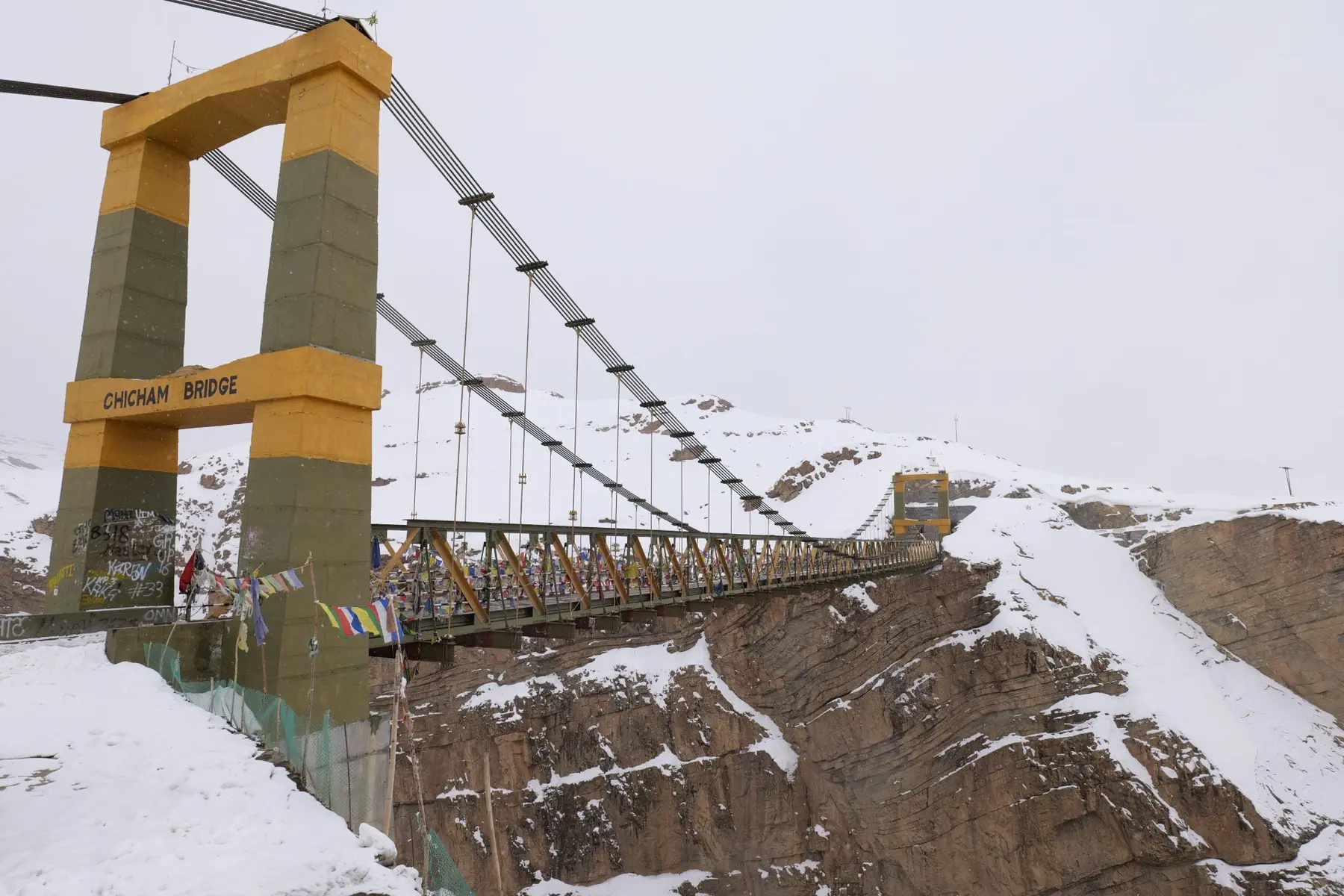
We also made a stop at Chicham Bridge. Why is this a worthwhile stop?
Because the view is so beautiful, you can walk across it to enjoy it. We also enjoyed the view of the bus that fell off the bridge a few years ago. Needless to say, I was happy to see it at the end of our stay, haha. And above all, we stopped there to enjoy momos on a bus, a typical and original way to end the day.
After a few more hours of driving, we stopped in the village of Losar to spend the night. Our final moments in Spiti Valley come to an end here. This adventure was full of emotion from start to finish.
Practical Tips
Here is a short list of practical tips to help you plan your trip before embarking on this mysterious valley:
Travel Time:
The best time to visit Spiti Valley is generally from June to mid-October, when the roads are open and the weather is more pleasant.
Itinerary:
Plan your itinerary carefully, taking into account the distance and time required to travel through this mountainous region. I find that seven to nine days are enough to complete it without rushing. I personally started from Manali, but some people start from Shimla and make a loop to Manali.
Acclimatization:
Take time to acclimatize to the altitude, especially if you are coming from the plains. It is recommended to spend a day in Manali or Shimla before heading to Spiti.
Permit:
Normally, your driver or travel agency will take care of obtaining the permit. Consider agreeing with them in advance and negotiating to include the permit price in their offer.
Clothing:
Dress in layers, as temperatures can vary considerably. Don’t forget to bring warm clothes, hiking boots, sunglasses, and sunscreen.
Accommodation:
If you’re traveling during peak season, book your accommodation in advance. Spiti Valley offers a range of options, from monasteries to small hotels, but during peak season, places fill up quickly.
Electricity and Communication:
Expect frequent power outages. Charge your electronic devices as soon as you can. The network is also limited, so be sure to take precautions and notify your loved ones in advance.
Money:
Remember to bring cash with you, as ATMs aren’t always available, and credit cards are generally not accepted.
Ecology:
The Spiti Valley is an ecologically fragile region, so it’s imperative to respect this natural beauty as much as possible. Remember to always pick up litter, take quick showers, and consume consciously.
I hope this article has inspired you to discover the Spiti Valley. To this day, even after visiting my country, Spiti remains one of my favourite places in the country. It takes time, of course (and a good back to survive the drive!), but it’s an unforgettable experience.
So, when will you be visiting the Spiti Valley?