A vacation trip to India as a tourist
Learn everything you need to know about traveling to India in 2026. In this article, you will find several helpful recommendations to prepare for your trip to India with Delighted Journey, regardless of whether you are a backpacker, a budget traveler, or a family vacationer. This book is not only useful but also thorough, making it an excellent choice for any kind of trip destination.
Delighted Journey tries to provide you with information on various topics, including when to travel to India, where to stay, how to get around, when to depart, which regions to visit, how much money you should budget for, how to apply for a visa, safety information, suggested itineraries and excursions, cultural attractions, and a great deal more. This comprehensive travel guide to India is based on the author’s nearly one year of experience living in the country.
About India
The nation of India, located in South Asia, is home to many of the world’s oldest religions and boasts an exceptionally rich cultural heritage. In other words, it is a vast network of roots with billions of deep connections. The mythological foundations and customs followed by Hinduism undoubtedly make it one of the most complex cultures. No one can say they know this country or have “seen India.” Furthermore, the country’s total area is 3.28 million square kilometers, which is approximately thirteen times larger than Great Britain, six times the size of the French metropolitan area, or eighty times the size of Switzerland. To assist you in your journey through this vast country, this travel guide to India is here to help you.
Many Indians devote a significant portion of their lives to their religious and cultural practices, which account for a significant portion of their financial expenditure. For example, you know that during national holidays in the Western world, such as Christmas or Easter, the atmosphere constantly changes and transforms. All these celebrations last only a few days, and then life goes on. Simply put, Indians constantly face events that are not peaceful.
It never ends; in fact, one event leads to another. India isn’t just about Holi or Shivratri. You might not notice the difference because many festivals are small and celebrated in homes or temples. To put things in perspective, there’s always something going on here; nothing is boring, especially considering there are so many different religions.
Living with a family from this region for a long time will provide you a deeper understanding of the culture. I’ve been living in India for a considerable amount of time, and the more time I spend there, the more this country continues to amaze me, and the more my appreciation for its culture grows.
When you visit this country, you’ll have the opportunity to admire breathtaking scenery, appreciate the vibrant energy of life, observe traditions, and experience something unique… However, as you explore the heart of India and immerse yourself in its captivating mystery and depth, your perspective on this country will transform. You become captivated by India, and you may feel an indescribable attraction to it. This statement is true for many tourists, which is why it is so alluring; however, as we’ll see in the next section, this isn’t always the case, and sometimes the opposite is true.
Whatever you decide, start preparing for your trip to India. Delighted Journey shows you Indian culture, currency, the best time to visit, food, appropriate clothing, and much more.
Indian Culture: Religions, Languages, and Customs
India’s culture is one of the world’s most ancient and diverse, with a history dating back more than 5,000 years. With over 1.4 billion inhabitants, India is the world’s most populous country, and this diversity is reflected in its religions, languages, cuisine, and traditions.
Religion in India
Traveling to India means immersing yourself in a country where many religions coexist. India is home to several major religions, including Hinduism, Buddhism, Sikhism, and Jainism, each of which expresses itself through its temples, festivals, and daily rituals.
- Hinduism is the majority religion (79.8%) and plays a significant role in daily life.
- 14.2% of the population practices Islam.
- Christianity (2.3%) and
- Sikhism (1.7%) is also prevalent.
Throughout the country, you’ll find temples, mosques, churches, and gurudwaras, places of worship steeped in spiritual life.
Caste System
One of India’s most notable social aspects is its caste system, an ancient structure that still influences certain aspects of daily life, such as marriage and access to employment.
Although officially abolished, its influence remains:
- Brahmins: Priests and teachers.
- Kshatriyas: Warriors and leaders.
- Vaishyas: Traders and farmers.
- Shudras: Laborers and artisans.
- Dalits: Historically marginalized, known as “untouchables.”
Numerous social initiatives and laws have been implemented to combat caste-based discrimination, but it remains a reality.
Languages of India
India has 22 official languages and over 1,600 dialects. The most widely spoken languages are:
Hindi is the most widely spoken language in India, particularly in the northern regions.
English, which is a secondary official language, is widely used in tourism and business.
During your trip in India, you had no trouble communicating, as most people spoke English.
Typical Indian Dishes
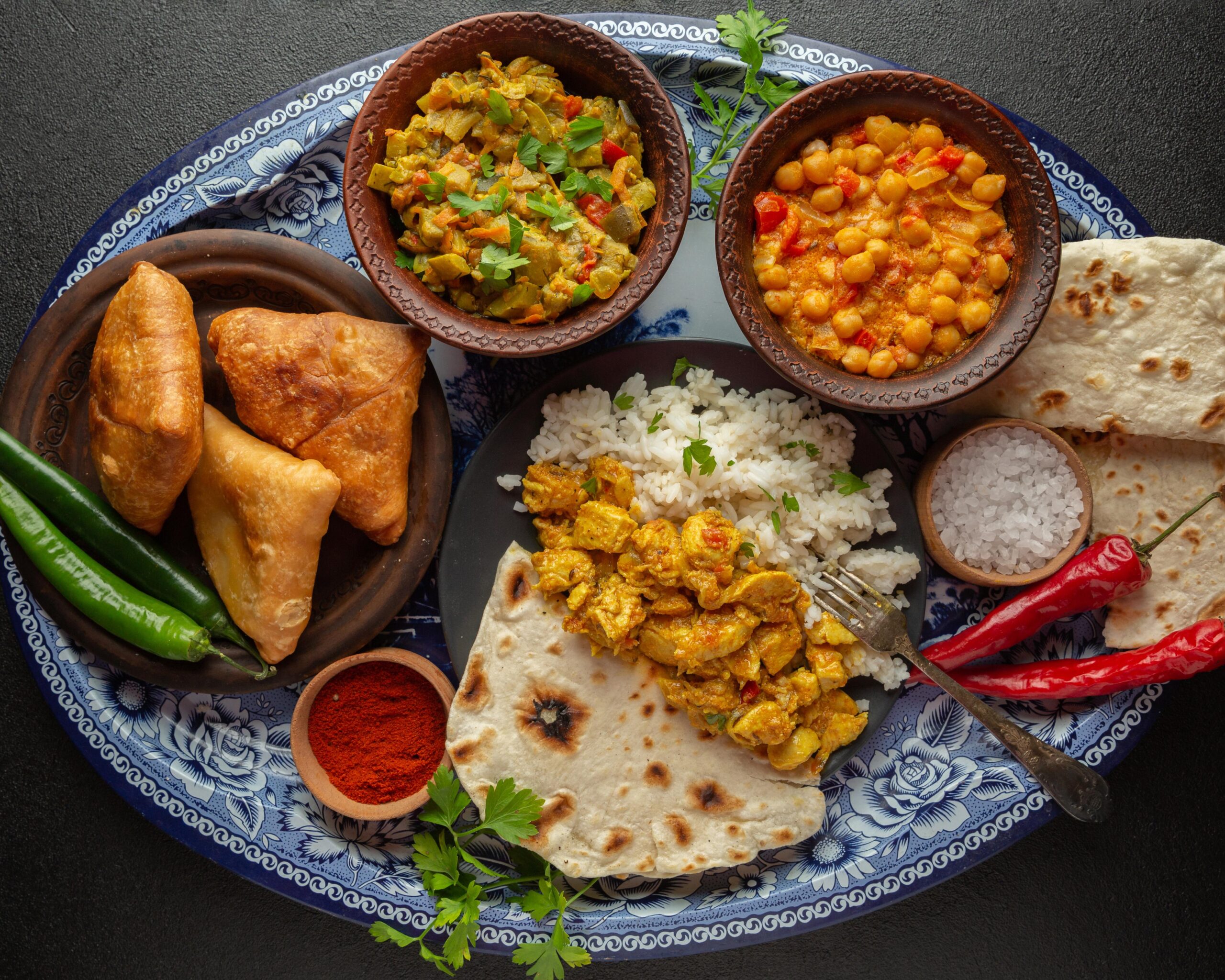
One of the greatest joys of traveling in India is exploring its amazing cuisine. Indian cuisine is world-renowned for its fiery flavors, rich spices, and regional diversity.
Here are some of our favorite dishes:
- Curries (vegetarian or chicken)
- Biryani (spicy rice)
- Samosas (stuffed pastries)
- Dosas (rice and lentil crepes typical of South India)
Although many travelers fear “traveler’s diarrhea,” our experience was very positive. We took excellent care with our diet (you’ll find some tips below).
Additional tip: Many dishes are gluten-free, which has made things much easier for the Europe. However, the risk of cross-contamination persists, so it’s crucial to notify them and verify the ingredients at each restaurant.
What to Wear in India?
Clothing in India is colorful, traditional, and very different from our usual attire in many regions. Sarees, salwar kameez, and kurtas aren’t just traditional attire; they also reflect identity and culture.
For tourists, especially women, it’s important to dress modestly in certain places:
- Avoid deep necklines and very short shorts.
- Always carry a scarf to cover your shoulders or head when entering a temple.
- It’s always important to remain barefoot in temples and homes (wearing socks may be helpful).
A Brief Overview of Indian History
India’s history is fascinating and complex. Its history dates back to the Indus Valley Civilization (around 2500 BC), one of the world’s most ancient civilizations. Over time, several great empires emerged, such as
- The Maurya and Gupta Empires were notable for their promotion of Buddhism and cultural development.
- The Mughal Empire (1526-1857) left behind wonders such as the Taj Mahal.
- British rule (the British Raj) lasted until 1947, when India gained independence under the leadership of leaders like Mahatma Gandhi.
- Today’s India, a democratic republic, embodies its rich history through its architecture, religion, and customs.
India presents both realities and contradictions.
India is not an easy destination, but it is one of the most transformative countries. It is a land of deep contrasts: tradition and modernity, spirituality and chaos, and extreme wealth and extreme poverty.
A recurring image in all cities is cows roaming the streets. In Hinduism, cows are considered sacred, a symbol of generosity and life. Nevertheless, many people breed
Customs and Cultural Tips in India
For a positive experience, it’s important to respect Indian customs:
- Greet people with “Namaste” (palms together, a slight bow).
- Don’t show your feet or touch anyone’s head (both are considered disrespectful).
- Ask permission before taking photographs of individuals.
- Dress appropriately at religious sites and observe local customs.
With its diversity, India offers a fascinating cultural journey. Every aspect of Indian culture, from deeply rooted traditions to everyday life, endures for a lifetime.
How many days does one need to travel to India?
India is vast, diverse, and amazing, so the number of days you need to explore it will depend on your interests and available time. Our advice:
Don’t try to see everything in one trip.
If you have a week, you can opt for the Golden Temple – Dharamshala – Shimla circuit, offering a blend of spiritual heritage, peaceful mountain scenery, and historic hill-station charm. It’s a wonderful introduction to the diverse experiences India has to offer.”
If you have two or three weeks, you can also include other amazing destinations, such as:
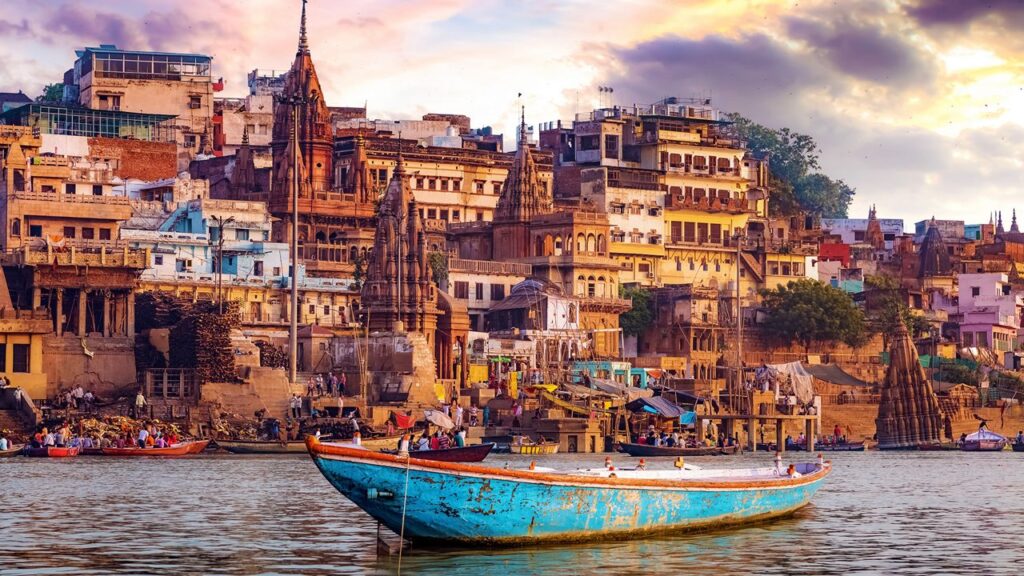
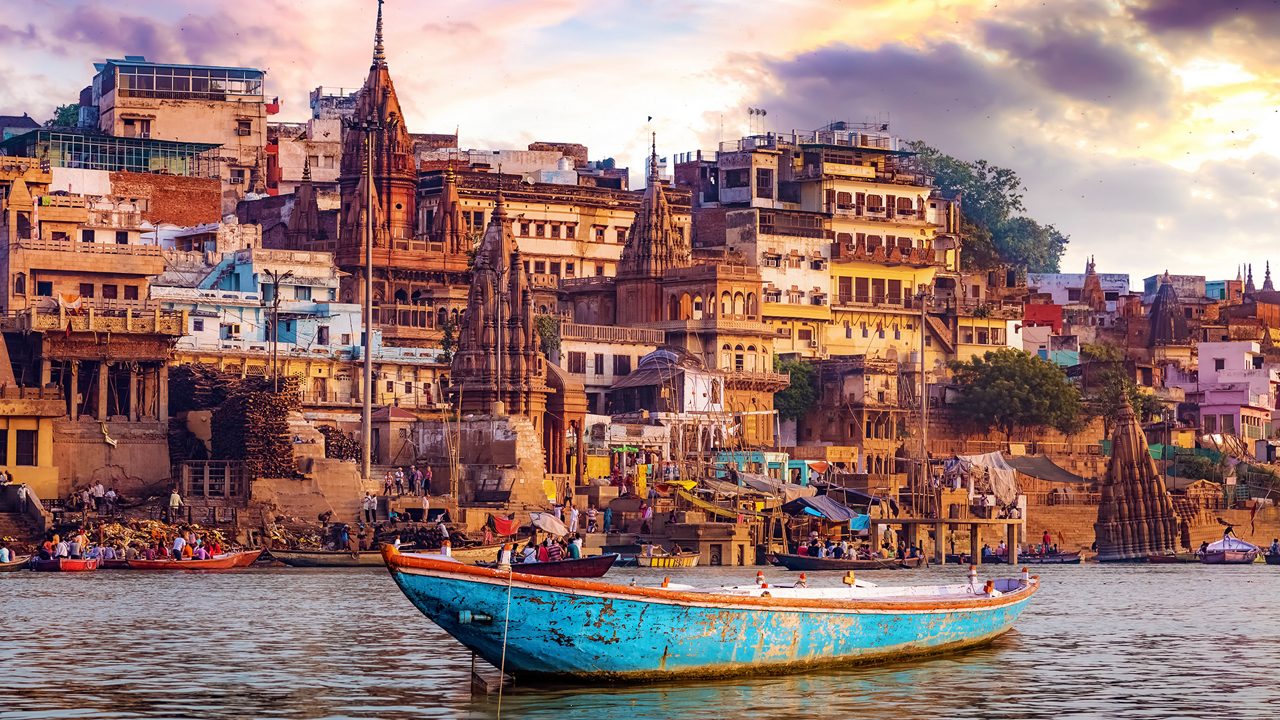
Varanasi, the holy city on the banks of the Ganges
Jodhpur, Udaipur, and Jaisalmer in the heart of Rajasthan
Rishikesh, or Amritsar, if you’re looking for something more spiritual.
We’ve created a 3-week itinerary for India, and we’re sharing it here so you can customize it to your liking and pace.
Top tip: India isn’t a country to be rushed. There’s a lot to see, but there’s also a lot to feel and take in. It’s better to do less but do it well.
Visa for India Travel: Everything You Need to Know
A visa is required to enter India as a tourist. The most common is the Indian e-Visa, which is obtained entirely online and is valid for tourists arriving through any of the country’s 28 airports or 5 points of entry.
Types of Tourist e-Visas:
One-month visa:
Valid for 30 days from the date of entry. Allows two stays in India.
One-year or five-year visa:
You can enter India multiple times, but the maximum continuous stay is 90 days.
For citizens of Argentina and Uruguay, the tourist visa is free. For other nationalities, prices vary depending on the visa duration.
You can apply:
- Up to 30 days before your trip (for a one-month visa)
- You can apply up to 120 days before your trip for either a one-year or five-year visa.
If you are entering India by land or through an airport not authorized to issue e-visas, you must submit your application in person at an embassy or consulate.
Here’s where to check visa requirements based on your nationality:
Official website of the Government of India
Helpful tips:
- Save your e-visa on your phone and print it out.
- You will be asked for it upon arrival at the airport.
- Processing your application usually takes between 24 and 72 hours (sometimes less).
Vaccinations and Travel Insurance in India: What to Keep in Mind
Before traveling to India, it’s important to learn about health and prevention. Although only one vaccine is mandatory, there are other vaccinations to consider.
Vaccinations for India Travel:
- Mandatory:
If you have visited endemic countries such as South America and most of Africa within the last 15 days, you should consider yellow fever vaccination.
- Recommended:
- Hepatitis A and B
- Tetanus
- Typhoid fever
- In some cases, rabies and Japanese encephalitis
Always consult your doctor or a vaccination center specializing in travel medicine.
Travel Insurance for India:
Healthcare in India can be very fragile, especially in rural areas. Government hospitals are often overcrowded and have limited resources. In case of any problems, you’ll likely have to go to a private hospital, and the cost can be quite high.
That’s why it’s important to travel with good international health insurance. We purchased a plan that covered medical consultation, hospitalization, and 24-hour assistance.
Health tips for traveling to India:
- Drink only bottled or boiled water.
- Avoid raw or undercooked food.
- Wash your hands frequently.
- Use insect repellent.
Transportation in India: How to Get Around
India is vast, and distances can be vast, so choosing the right transportation is essential. Here are the best options for traveling in India:
Trains in India
Trains are the most reliable and economical way to travel in India. Its railway network is one of the most extensive in the world.
We recommend air-conditioned trains: 1AC and 2AC. For overnight trips, this is ideal because you can sleep in and save on a night’s accommodation.
You can book directly through IRCTC.
Buses
Buses also connect many cities. There are basic classes as well as luxury buses. However, the disadvantage is that these take longer than trains and may be less comfortable over long distances.
Plane
Flying is the most practical way to connect distant cities, like Delhi to Kerala or Udaipur to Varanasi. There are several low-cost airlines like Indigo or SpiceJet.
Keep in mind: Many routes have a stopover in Delhi or Mumbai.
Private Driver
A comfortable option for certain routes (e.g., Jaisalmer to Udaipur) when there are no direct trains. We traveled in a shared car with 5 people, and the 9-hour journey, including stops, cost us more or less EUR 200.
Private car
I recommend the private car, not cheaper, but the quality of services is excellent, the driver is good and humble, and all is reliable.
Accommodation in India: Where to Stay and What to Consider
There are options for every budget, from luxury hotels converted into palaces to budget hostels.
Tips based on our experience:
- Always check reviews from foreign travelers, not just locals (standards may vary).
- Don’t rely solely on accommodation photos.
- We stayed in hotels, homestays, and guesthouses and generally had good experiences.
If you’re on a budget, there are excellent luxury accommodations available in India (like Taj Hotels or converted palaces).
Questions and Answers About Traveling to India

We know that traveling to India is an activity that generates uncertainty and countless questions for travelers, as it is a unique country with a culture unlike anything else in the world. Therefore, we’re starting this India travel guide by answering some basic questions that many people ask themselves when planning such a special trip.
When is the best time to visit India?
Generally, the best time to travel to India is during the dry season between November and March, as the weather is mild and pleasant, along with the lack of rain. December and January can be a bit cold. After the hot weather of April, May, and June comes the rainy season, which lasts until the end of September.
The summer months are the monsoon season, so it can be quite rainy, and the heat may not be ideal for enjoying India’s beaches. During these months, the beaches are usually quite dirty, the sea is rough, and businesses are closed due to the low number of tourists.
If you’re planning a trip to India, the first thing you should know is that the weather varies significantly depending on the time of year and region. The country has three main seasons: summer, monsoon, and winter.
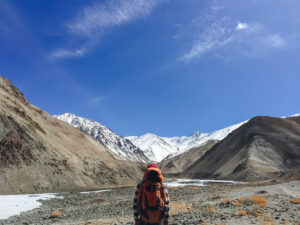
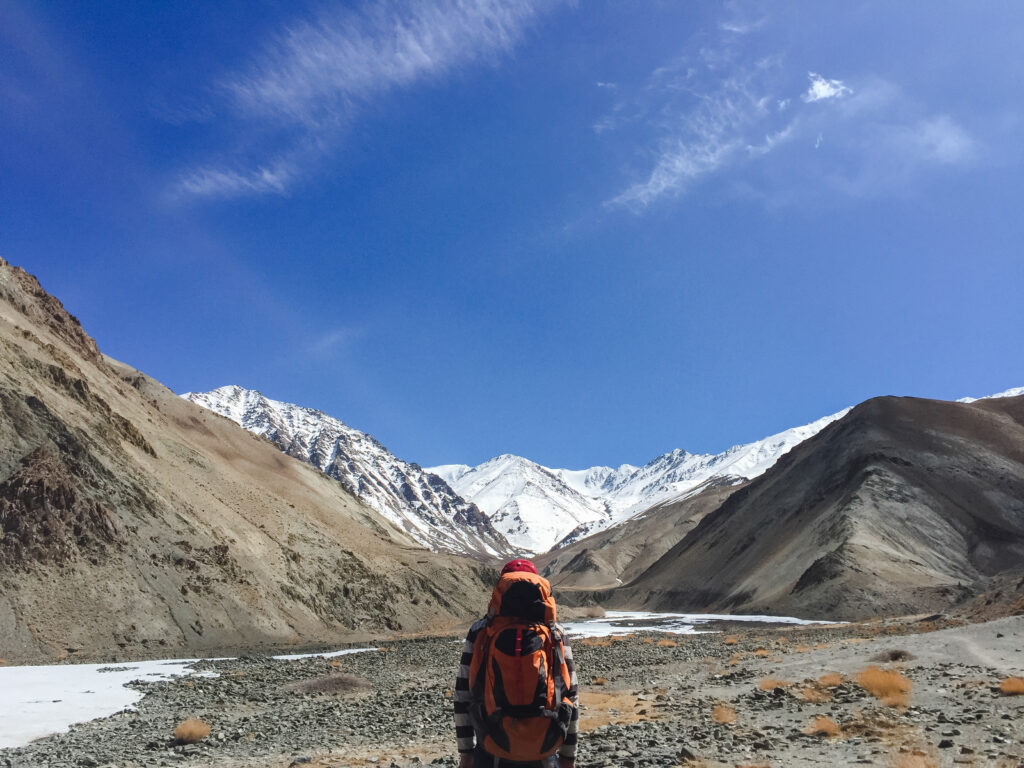
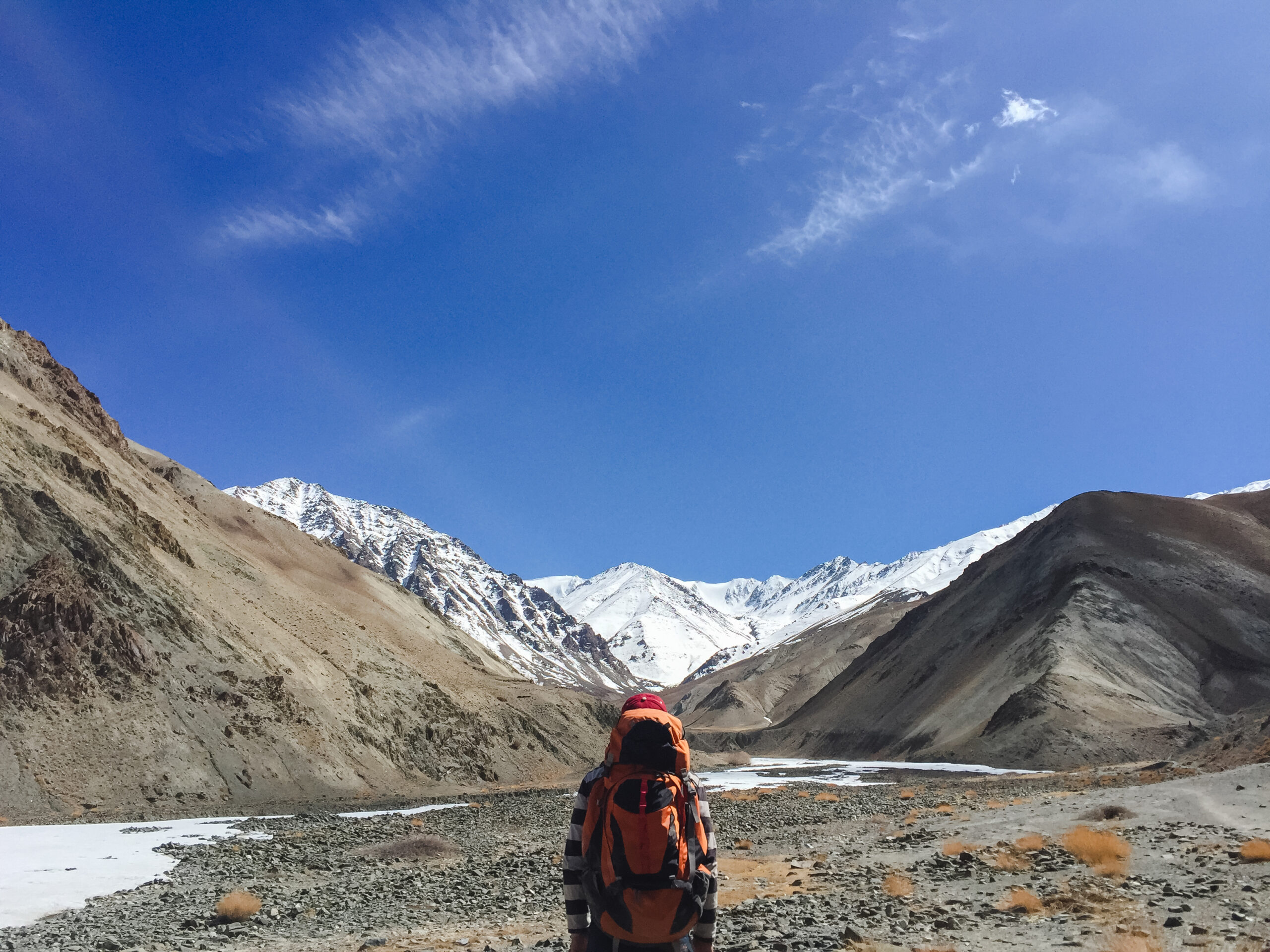
Summer (April to June): This season is very hot and dry, with temperatures that can exceed 40°C (104°F). However, it’s an excellent time to visit mountainous regions like the Himalayas (Ladakh, the upper part of Himachal Pradesh & the source of the Ganges) or coastal areas of South India.
Monsoon Season (July to September): This season brings heavy rainfall and humid weather. Rainfall is essential for agriculture, but it can cause flooding and disrupt travel.
Winter Season (October to March): This period of the year is the best time to visit India. Temperatures are more pleasant, ranging from 10°C (50°F) to 25°C (77°F), making it easy to travel to tourist destinations like Delhi, Agra, Jaipur, and even Rajasthan and Varanasi.
Tip: Remember that India is enormous, and the weather can vary significantly between the north, south, and mountainous regions. Be sure to check the weather forecast for the areas you plan to visit.
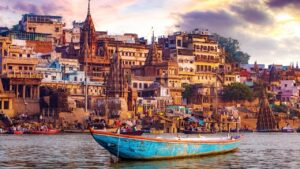
Preparing for a Trip to India
Delighted Journey’s goal is to provide you with a general overview of points to consider when preparing for your trip to India, as well as entry requirements and practical information for a successful stay.
Before Your Trip
Traveling to India requires some preparation. Our India guide explains how to prepare for your trip.
Vaccinations in India
One of the first questions any traveler planning a trip to India asks is about vaccinations. No vaccinations are mandatory for travel to India (unless you are coming from a country where yellow fever is prevalent). We may recommend vaccinations based on the areas you will visit, the duration of your stay, and your individual circumstances.
Before your trip, we recommend you visit an international vaccination center where you can obtain more specific information. During your trip with us, we will be available to answer any questions you may have regarding your health. If necessary, we can also recommend a doctor or hospital.
Visa to India
To enter India, you must have an entry visa and a valid passport with at least six months of remaining validity from your travel date. There are several ways to obtain a visa; however, we recommend applying online, as it is a very easy and accessible process.
We have a blog on our website that provides all the necessary information for tourists of any nationality to obtain an entry visa to India:
Withdrawing Money in India
Another major problem when planning a trip to India is how to withdraw money within the country. Indian currency cannot be formally withdrawn from the country, making it very difficult to obtain at home or at a very high rate.
You can exchange money upon arrival at any international airport in India, but the exchange rate is not the most favorable. For this reason, we have a blog that explains the easiest and most cost-effective way to obtain rupees upon arrival in India and throughout your trip.
Travel Insurance
When planning your trip to India, we recommend purchasing private travel insurance. While basic medical care and medications are generally inexpensive, any complications such as hospitalization, surgery, etc. will cost significantly more because healthcare is private. Our blog explains the easiest way to purchase travel medical insurance for India, including discounts for all our customers.
How many days do I need to visit India?
India is a vast country, and it’s very difficult to see everything in a single trip; it would take you three months. Most travelers typically visit India for 10 to 20 days. If you go for 30 days, you won’t be bored, as you can explore the north and south of the country extensively, and also include other destinations like Nepal, Sri Lanka, or the Maldives.
Which regions are best to visit in India?
The most common route is to travel from the north, arriving in Delhi, and visiting the Golden Triangle, Rajasthan, etc. Summer in the Northern Hemisphere is a good time to visit the Indian Himalayas: Ladakh. In the south, Goa, Kerala, and Tamil Nadu are popular, although they aren’t highly recommended in summer due to the heat and monsoon effects.
What to see in India?
India is so vast that it’s considered a subcontinent in itself. Therefore, there are numerous tourist attractions here, generally divided into three main regions: North, South, and Highlands. Each region offers a wide variety of destinations to visit, and the choice of area will depend on each client’s preferences and desired activities.
Based on the number of days available, Delighted Journey can suggest the best route to optimize your stay in each city. Our India guide below provides more detailed information about the destinations, including descriptions of each location and its monuments.
How much does a trip to India cost?
We tailor all our tours to each client’s budget, including hotel and transportation. This means you can travel more affordably with simple accommodations (always guaranteeing minimum comfort and cleanliness) or indulge yourself on a more budget-friendly basis by staying in one of India’s most luxurious hotels.
We find the best prices during the low tourist season, which spans from April to the end of September.
Prices are closely linked to the season, so from October to March, when temperatures are much lower, accommodation rates increase as it’s the peak of the tourist season.
For long-distance trips, the tour budget can also vary depending on the mode of transportation used. You can opt for domestic flights or overnight trains, which are significantly cheaper and allow you to “save” on a hotel night.
How much does a visa for India cost?
In 2025, online visa prices (the best option for travel) decreased and now range from $10 to $80 USD, depending on the duration. Here’s an explanation: Indian Visa
How much is a tip?
Tipping in India is completely voluntary. It’s not included in the cost of any service or tour. For drivers, it’s customary to tip 300-500 rupees (approximately €4/$5 USD) per person per day. If you have a guide, tip slightly less. It’s customary to tip other people you meet along the way, such as bellhops, 20 rupees (about 30 cents).