Where and how to celebrate this popular tradition that is much more than a festival of colors. It is more about celebrating the triumph of joy.
One of the most spectacular spectacles in India is the colorful festival of Holi. The charm of this event dates back to the 17th century, when the first European traders and British colonizers wrote about its celebrations. The festival is celebrated across the country, with a riot of colors as crowds dance and celebrate.
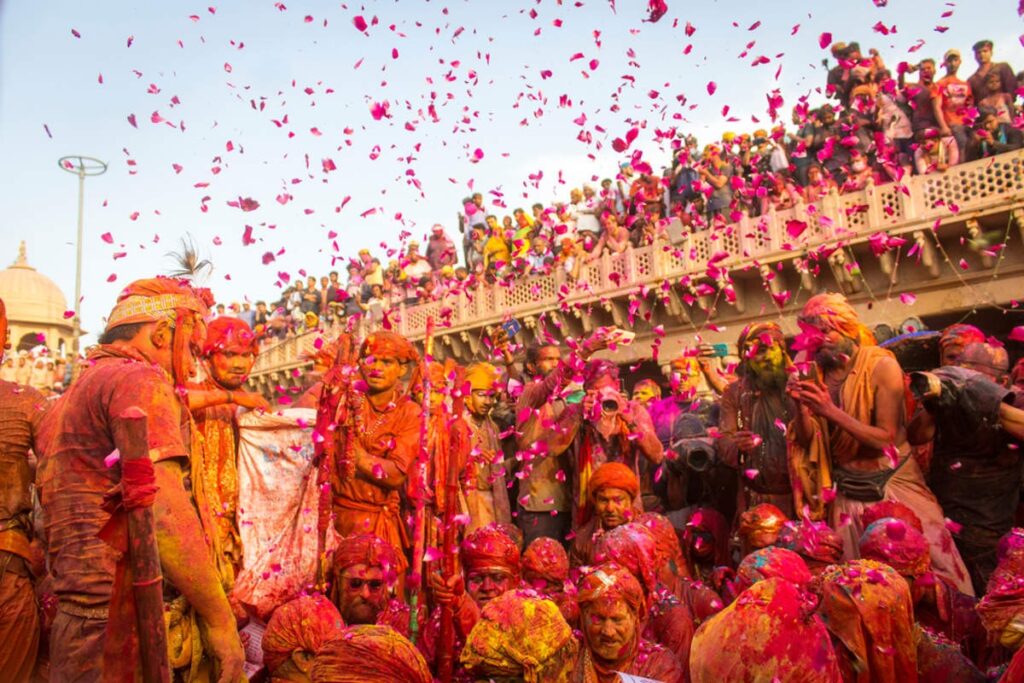
Colored powder is thrown freely, covering both bodies and clothing with bright colors. A smile lights up the faces of those participating as they celebrate Holi, the festival of colors, which is celebrated in India and Nepal every year in March and April. In 2026, according to the Hindu calendar, Holi will be celebrated between March 3 and 4.
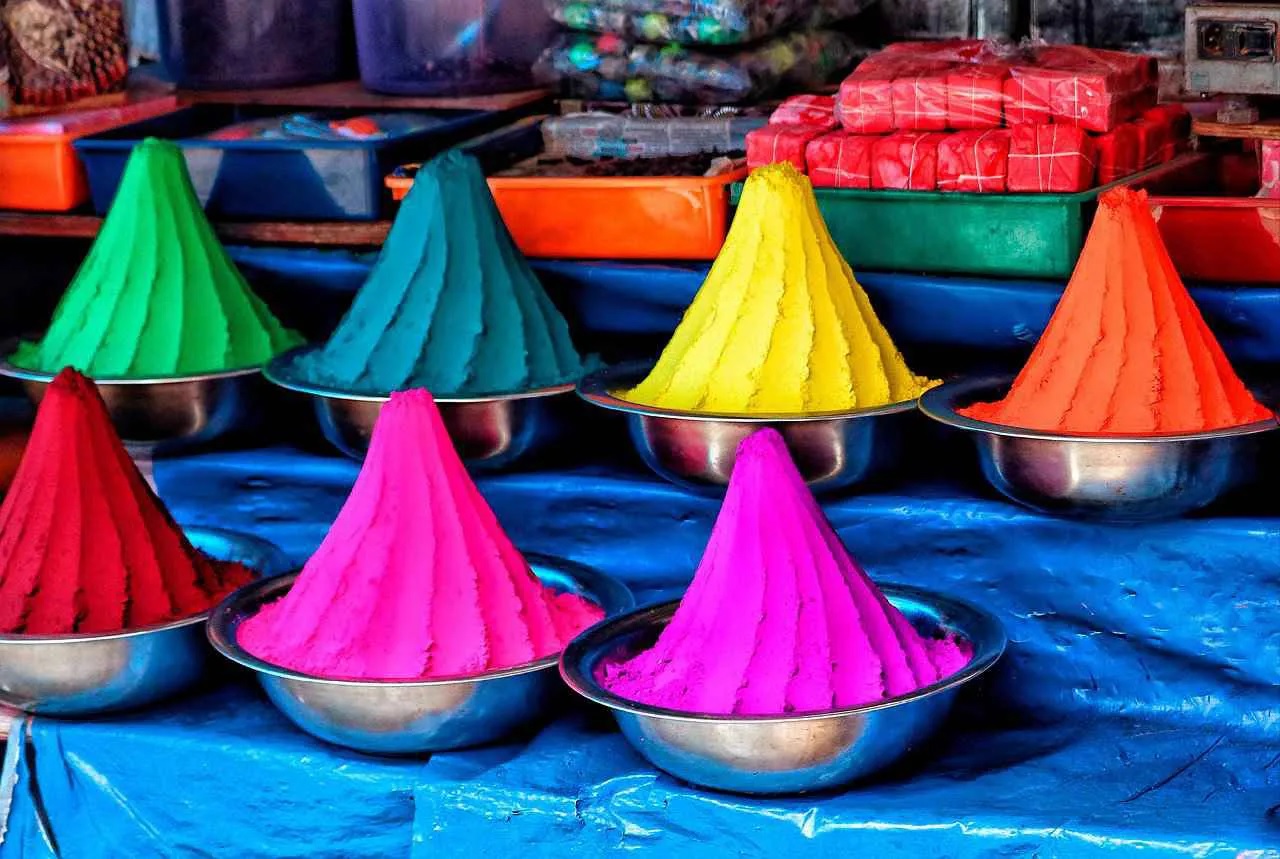
Thus begins the most awaited festival.
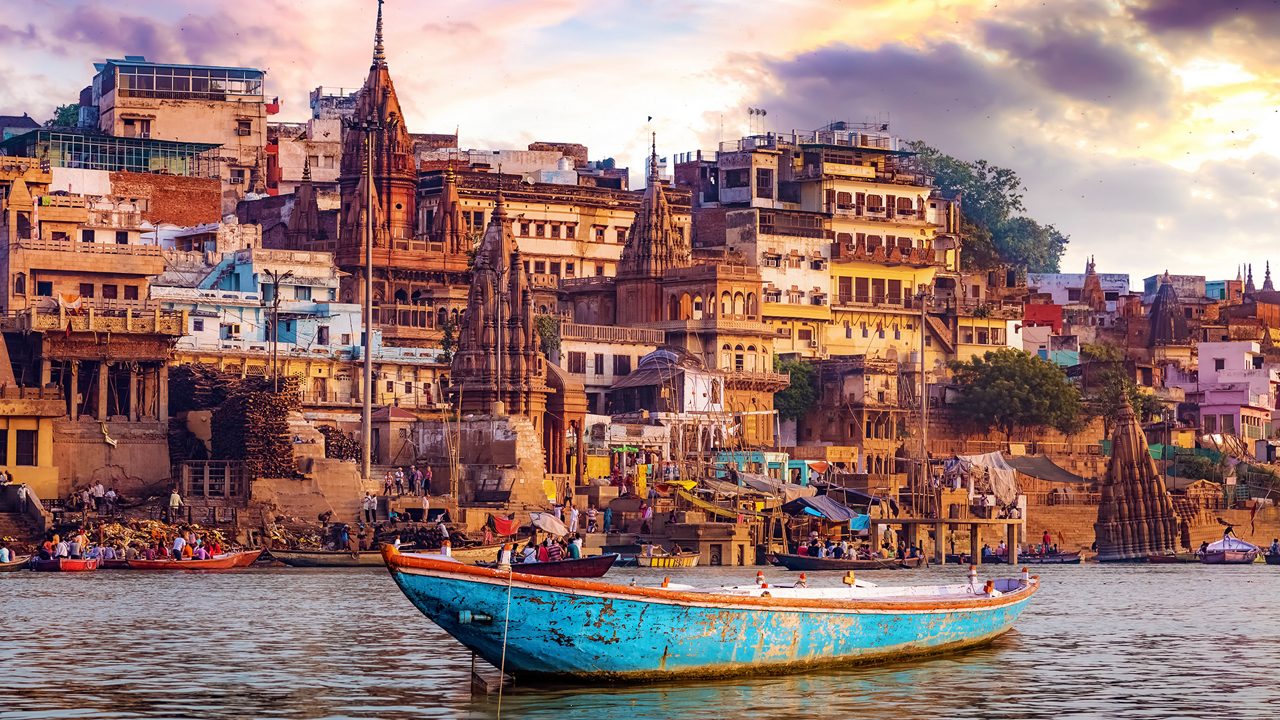
But this celebration isn’t just about colors. In fact, some area two-day (Delhi, Rajasthan, Agra, Varanasi, Khajuraho etc.) & north part of India in the mountain (specially in Kumaon Valley) it is 7 days festival begins on the last full moon of the Hindu lunar month of Phalguna, the eleventh month of the calendar (between late February and March).
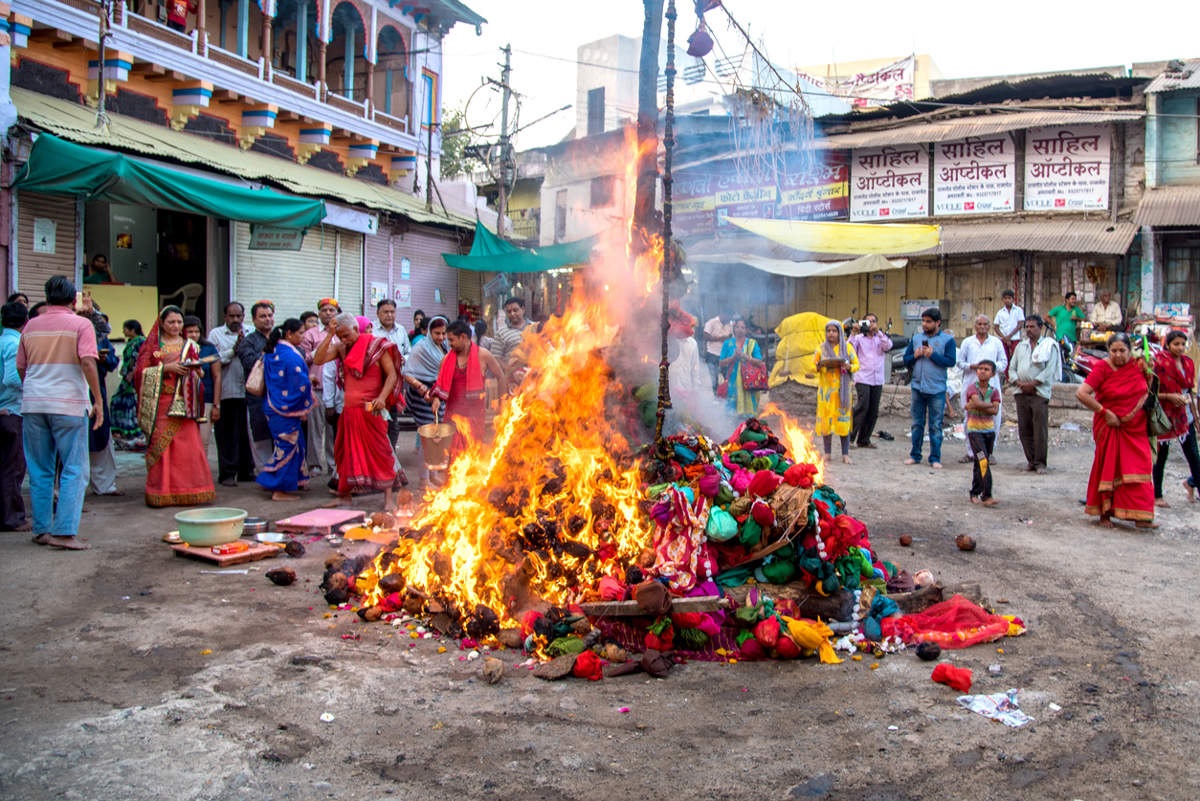
The first night (March 3) is “Holika Dahan,” or small Holi, and it is celebrated around bonfires to symbolize the victory of good over evil. Today, it commemorates the arrival of spring, marking a new beginning in which people leave the past behind. They do this by lighting large bonfires and singing and dancing around them all night.
A burst of colors.
The next day, which falls on March 4 this year, is known worldwide as Holi, though it is also called Rangwali Holi or Dhulhendi. Yes, this is the time when colored powder, or gulal, is thrown. On this day, in most Indian and Nepalese towns and cities, people of different castes, social classes, religions, and ages gather for one purpose: to have a good time. But where did this colorful tradition come from? It has mythological origins, and recently, two Hindu stories have gained prominence. The Triumph of Good Over Evil.
One of these stories is that of Holika, the evil sister of King Hiranyakashipu and the aunt of Prince Prahlad. It all began when Hiranyakashipu was blessed with unique powers, believing he was a god whom people should worship. However, Prince Prahlad chose to continue worshipping Lord Vishnu in the traditional manner. This angered his father so much that the king decided to punish him.
Holika planned to lure her nephew to sit with her in the middle of a bonfire. Of course, this was a dangerous trap. She would be protected by a magical cloak that would shield her from the fire, and thus her nephew would die. Fortunately, things went wrong for the ruthless Holika. Lord Vishnu, whom the prince worshipped, appeared at that very moment and killed the arrogant king. The moral of the story is that good always triumphs over evil. And that is why the festival of Holi begins the morning after the bonfire.
A Story of Love and Color
The second story tells the story of Radha and Krishna’s love and explains the use of color. Krishna asked his mother, Yashoda, why Radha’s skin was fair while his was so dark. Yashoda replied that one way to avoid Radha’s complexion from causing jealousy would be to apply dark colors to his face. This way, the two lovers would be equal. Ever since Krishna followed her advice, all lovers paint their faces with Holi colors.
A Meaning for Each Color
The four primary colors represent different concepts: red represents love and fertility, blue is the color of Lord Krishna, yellow is the color of turmeric, and green symbolizes spring and new beginnings. There’s also a symbolic story behind Krishna’s memory: the story says that his skin is blue because the giant demoness Putana poisoned him with her breast milk.
Back to Nature
Historically, gulal was made from turmeric, paste, and flower extracts; however, in recent years, synthetic versions harmful to health have been used. Therefore, various organizations are now promoting the use of natural gulal produced from petals discarded at temples and shrines.
Other Names in Other Places
Although this festival is most commonly known worldwide as Holi, it is also called by different names within India. Customs can also vary depending on the region. Some of the best-known celebrations include Dol Jatra or Dol Purnima, celebrated in the states of West Bengal (Odisha and Assam), where women wear garlands and sing and dance to traditional music and instruments.
Another example is Hola Mohalla, celebrated in Anandpur Sahib the day after Holi, coinciding with the second day of the lunar month of Chett. In Manipur, on the other hand, Yaosang is celebrated for five days after the full moon of the Hindu month of Phalguna. And then there’s Lattmaar Holi, celebrated in the historic city of Barsana, in Uttar Pradesh, where the Hindu goddess Radha is believed to have been born.
An explosion of flavor, too.
Besides the explosion of color, food is another highlight of Holi. During this festival, families gather and enjoy typical flavorful dishes such as gujiyas, pastries filled with nuts; mathri, cookies made with flour and spices; papad, a crispy fried bean flour dough; malpua, a type of crepe with sugar and coconut; and thandai, the most popular drink, made with almonds, milk, sugar, spices, and rose petals. While there are variations in how these dishes are prepared, these are some of the most common dishes during the festivities.
Suggested Program:
Option – I (Rajasthan)
Day 1: Arrival Delhi
Day 2: Delhi – Agra
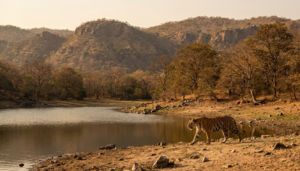
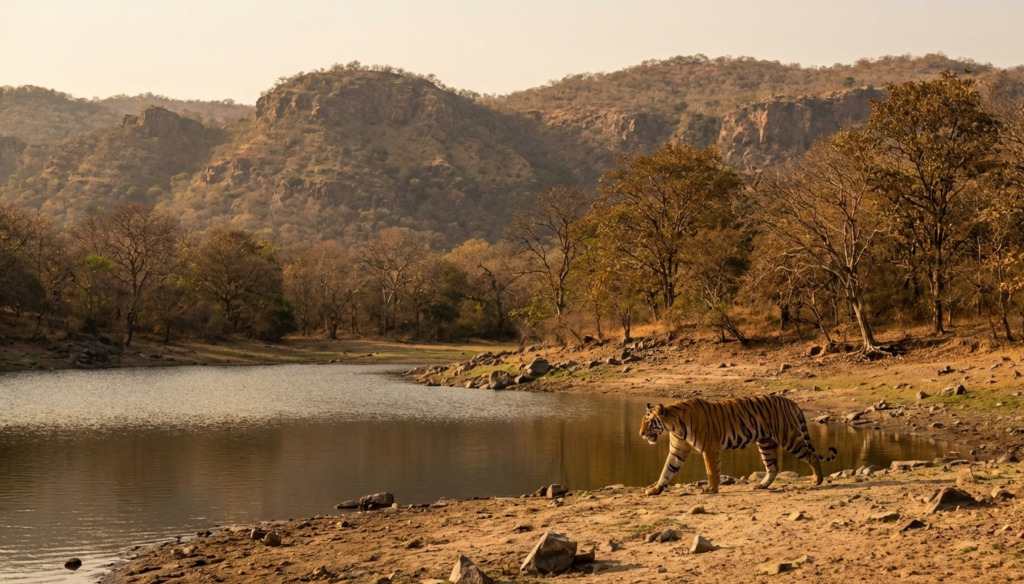
Day 3: Agra – Fatehpur Sikri – Ranthambore (Afternoon Park Ride)
Day 4: Ranthambore (Morning & Afternoon Park ride)
Day 5: Ranthambore – Jaipur
Day 6: Holi Celebration
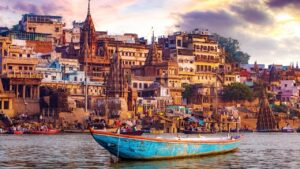
Day 7: Jaipur – Bundi
Day 8: Bundi – Udaipur
Day 9: Udaipur – Overnight Train to Delhi
Day 10: Arrival Delhi & free day. In time one of our representative drop at Delhi International Airport.
Option – II (Kumaon Hill)
Day 1: Arrival Delhi
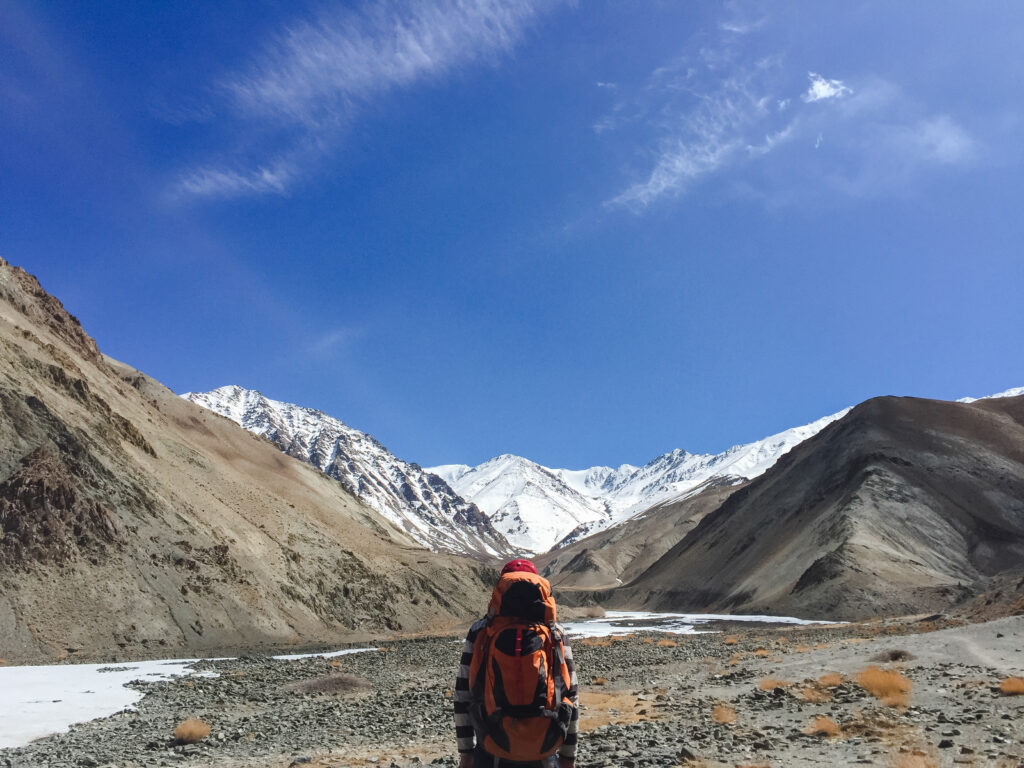
Day 2: Delhi – Kathgodam (Train) – Drive to Nainital
Day 3: Nainital Sightseeing
Day 4: Nainital – Kainchi Dham (Neem Karoli Baba Ashram) – Almora
Day 5: Almora – Kausani
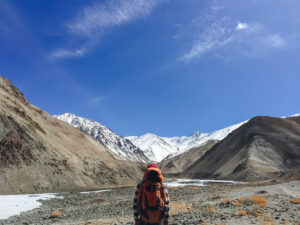
Day 6 – 10 (5 Days) Holi Festival with village walking tour
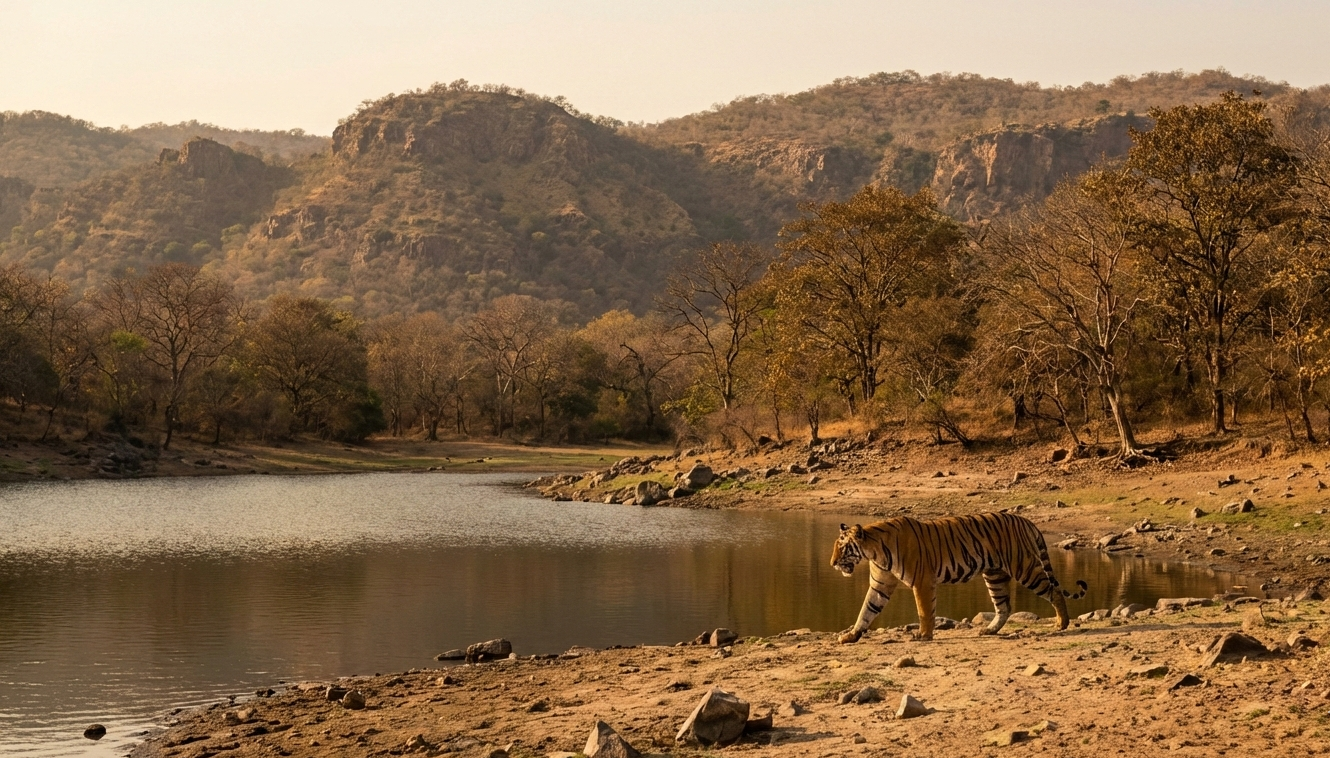
Day 11: Kausani – Ranikhet – Jim Corbett National Park (Afternoon Park Ride)
Day 12: Morning & Afternoon Park Ride
Day 13: Jim Corbett – Rishikesh
Day 14: Rishikesh – Haridwar
Day 15: Haridwar Train to Delhi & In time drop you at New Delhi International airport.
Holi Festival Dates (2026 – 2030)
| Year | Day | Date |
| 2026 | Wed | 4 Mar |
| 2027 | Mon | 22 Mar |
| 2028 | Sat | 11 Mar |
| 2029 | Thu | 01 Mar |
| 2030 | Wed | 20 Mar |